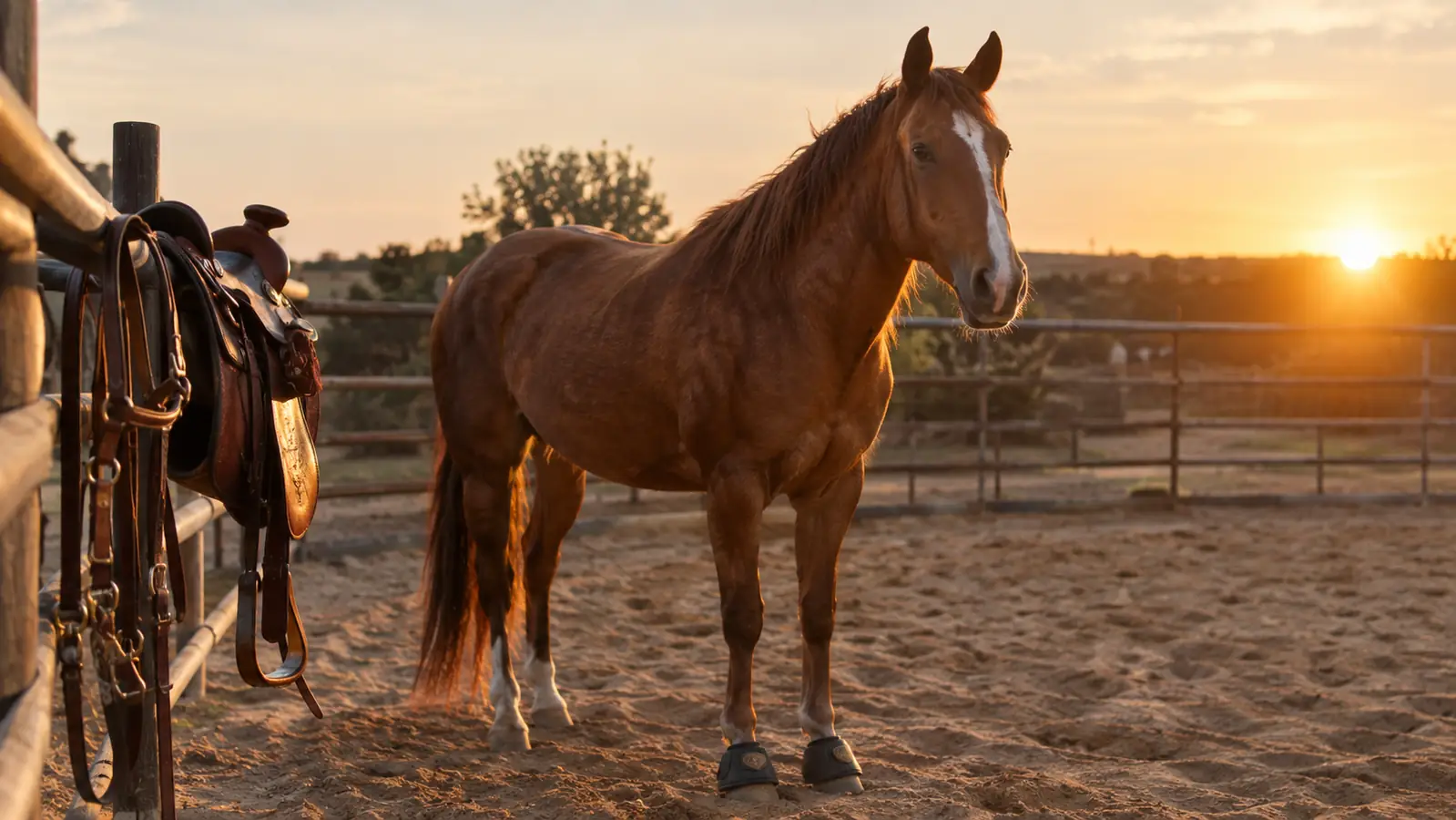
If you've ever watched a horse reach with its hind foot and clip the heel of its front leg, you know the sound. It's a quick, hard tick that means the heel bulb took a hit. One bad overreach can lay a horse up for weeks, and it usually happens at the worst time, mid-run or in the warm-up pen when you're already committed. Biscuit clipped his own heel twice in one season before I started using bell boots. That's two vet calls and three weeks off. Bell boots are the cheap, boring insurance against that, and I keep a set of Shires ARMA bell boots on Biscuit for every ride. This is why I think most horses that work should wear them.
Before I go through the list, one honest note. Bell boots do not fix a horse that is already sore, and they are not a training tool. They are protection for one specific kind of injury, the overreach, where the hind foot comes up and catches the heel of the front foot. If your horse does that, or moves in a way that could, these are worth your time. Here are the ten reasons I ride with them.
The Overreach Protection I Ride With
Biscuit has worn a set of Shires ARMA bell boots for every barrel run this year. They stay on, they clean up fast, and they take the hit so his heels don't have to.
Amazon Check Today's Price on Amazon →The Ten Reasons I Ride With Bell Boots
Stops Overreaches Before They Cost You a Month of Riding
An overreach happens when the hind foot lands on or clips the heel bulb of the front foot. On a horse that works hard, it is not a matter of if, it is a matter of when. The bell boot wraps around the pastern and covers the heel, so the blow lands on the boot instead of the soft tissue. One strike is all it takes to make a horse sore. I would rather replace a boot than explain to my vet how my horse took a month off.
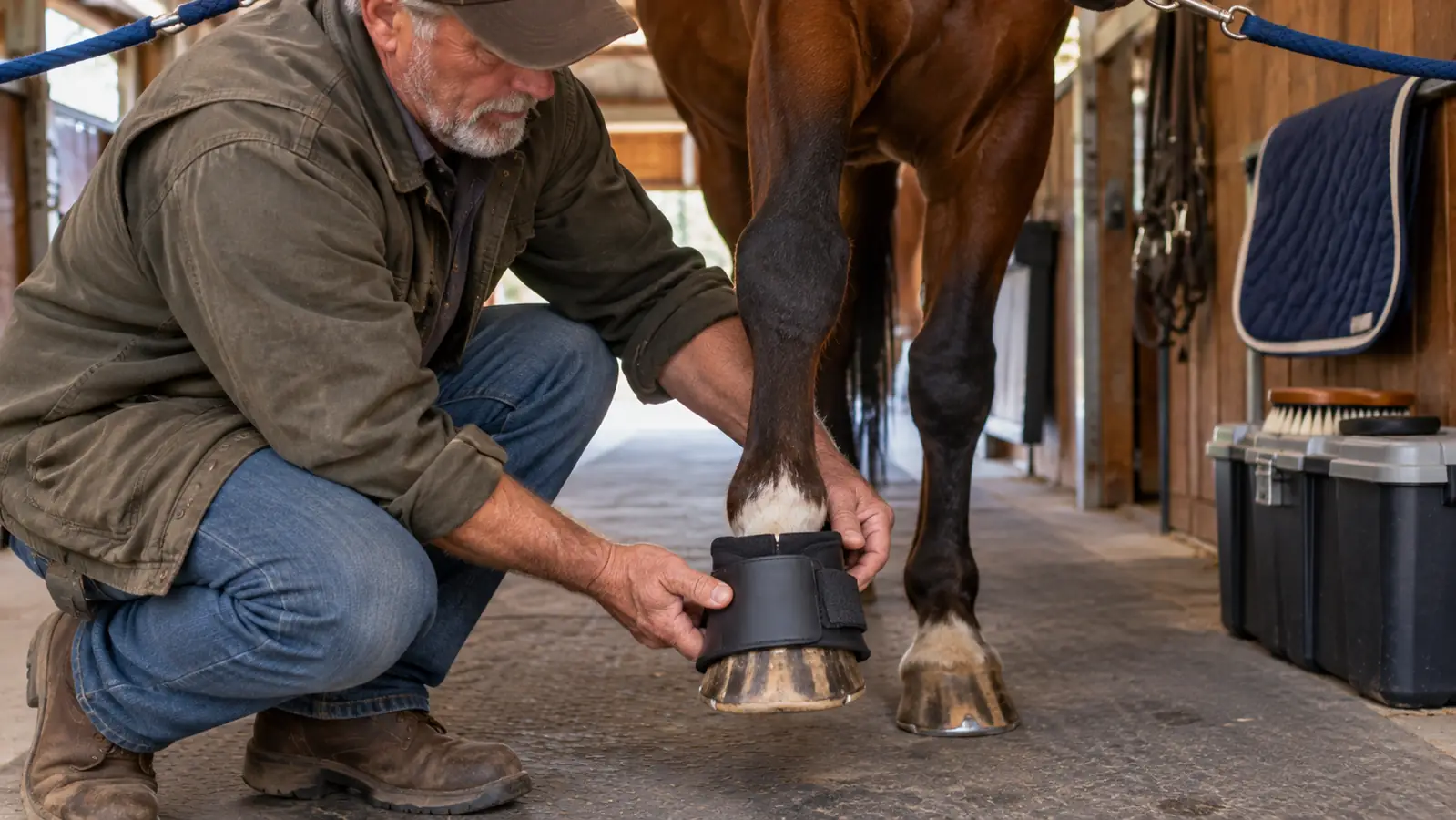
Protects the Heel Bulb, Where Injuries Get Serious
The heel bulb is soft and full of blood supply. A clip there can bruise, split, or turn into an abscess. A bruise sounds minor until your horse is three-legged sore. The boot covers the whole area without adding bulk, so the horse can still move and work naturally. For the price of a set of boots, you are protecting the part of the foot that keeps a horse sound. And the boots do not change the way the foot loads, so you are not trading one problem for another.
Shaves Days Off the Vet Bill When Things Go Wrong
A heel bulb injury usually means stall rest, antibiotics if the skin breaks, and a farrier visit to balance the foot. That adds up fast, in money and in lost ride time. Bell boots are not a cure for a horse that already has a problem, but they stop a lot of the common injuries before they start. Prevention is almost always cheaper than the treatment.
Holds Up on Hard Turns in the Barrel Pattern
Barrel horses drive hard off the hind end and snap around the barrel. That is exactly when a hind foot can catch a front heel. In the middle of a run you cannot do anything about it, so the boot has to be there doing its job. The Shires ARMA boots have held up through a full season of jackpots and practice runs on our place. That matters when you are hauling three hours to a jackpot and the horse has to be right the first time.
Helps Clumsy and Young Horses Through the Learning Phase
Young horses and horses that are still building coordination overreach more than seasoned ones. They are also the ones you are least willing to take time off. Putting boots on a green horse gives you one less thing to worry about while it learns to carry itself. The same goes for a horse coming back from time off and moving sloppy.
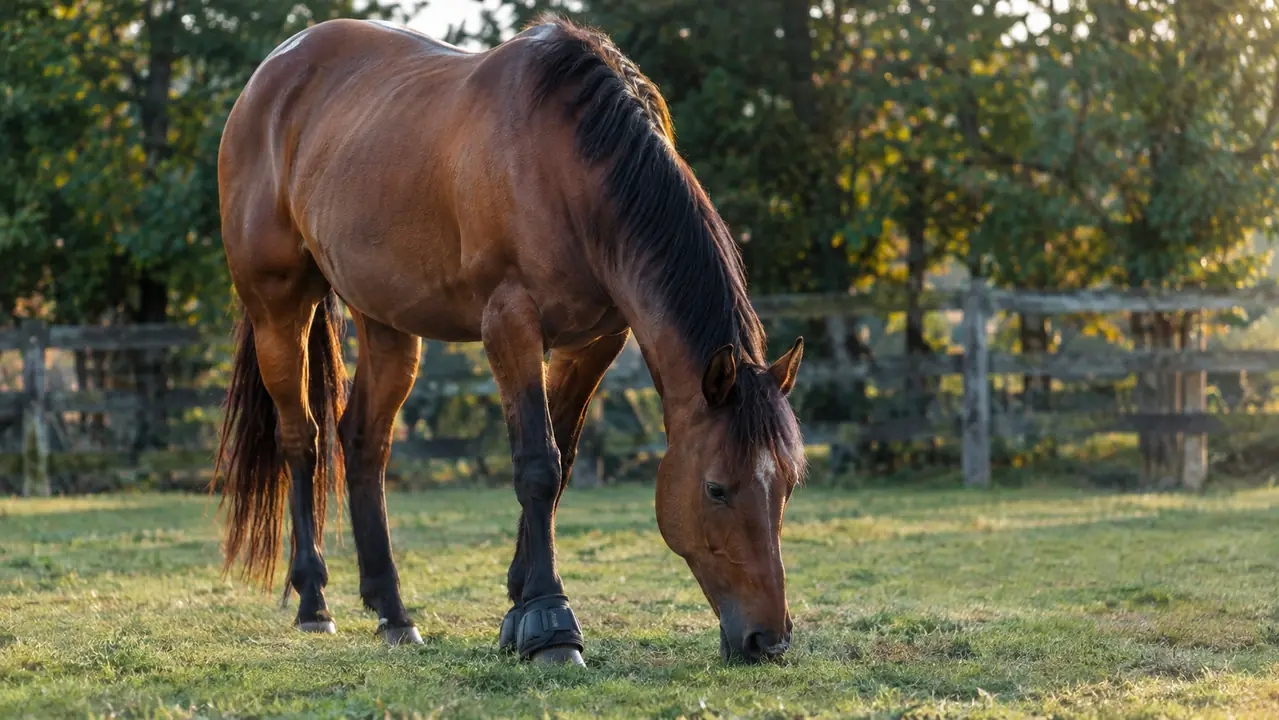
Adds Protection When You Load and Haul
The trailer ramp is where a lot of heel injuries happen. A horse that paws or drags a foot while loading can catch a heel on the edge. Bell boots worn while hauling protect the front feet during loading, the ride, and unloading. I leave them on for the cooldown walk, too, because that is when a tired horse drags a toe. It takes ten seconds to pull them off when you get where you are going, and a set of boots costs less than a trailer-related vet call.
Easy to Check, Rinse, and Put Back On
Good gear gets used because it is easy. The Shires ARMA boots have a simple closure that I can do one-handed while holding a lead rope. When they get muddy, I hose them off and they are dry by morning. No buckles to soak and no leather to oil. That means they actually get put on, which is the whole point of owning them.
Quiets the Worry When a Horse Forges or Interferes
Some horses naturally forge, where the hind foot strikes the front foot on the same side, especially when they are tired or stiff. A horse that interferes can ding its own legs more in one ride than in a whole season of normal work. Bell boots are a simple layer of protection that keeps a small habit from becoming a lameness.
Wears Longer Than Cheap Rubber Pull-Ons
I have used the cheap pull-on rubber boots. They crack in the sun, stretch out, and end up in the trash by mid-summer. The Shires ARMA set has lasted me longer because the material handles the Texas heat and the wear of actual work. That is the difference between a boot you replace twice a year and one that is still going.
Lets You Ride Without Watching Every Stride
The real benefit is the quiet mind. When I know Biscuit's heels are covered, I can ride my run instead of holding my breath waiting for a misstep. That peace of mind is worth more than the price of the boots. I have tried fancier setups, and I keep coming back to these. Gear that lets you focus on the job is gear that earns its place in the tack room.
What I'd Skip
Bell boots are not for every horse. If your horse lives in a pasture and only gets ridden down the road a couple of times a month, it might not need them. If your horse has never overreached and moves clean at every gait, you can probably pass. And a boot that does not fit is worse than none, because it can rub or twist. Buy the right size, check them before every ride, and take them off when the horse is turned out. Boots are a tool, not a fashion statement.
Biscuit clipped his own heel twice in one season before I started using bell boots. That's two vet calls and three weeks off.
The Set I Keep in the Tack Room
If your horse works, overreaches, or just moves a little careless when it is tired, a set of Shires ARMA bell boots is a cheap way to protect a sound horse. Biscuit's set is the one I reach for every time.
Amazon Check Today's Price on Amazon →