
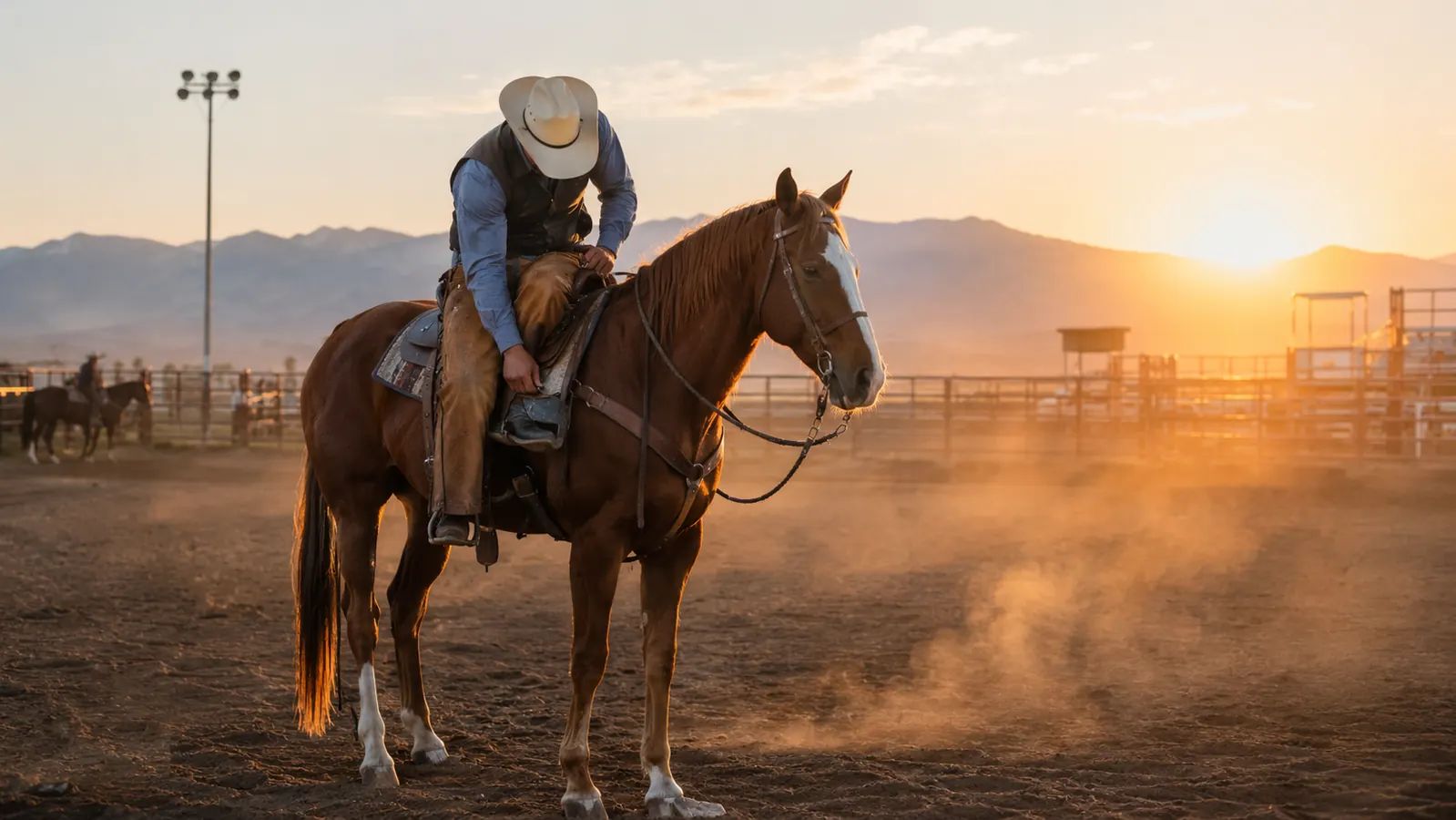
I have been around rodeos my whole life, and I have watched a lot of people buy their first pair of Ariat boots on the strength of a friend's recommendation. Most of the time that works out fine. But there are a few things about the Ariat Sport Western boot that nobody tells you before you hand over your card, and I would rather you hear them from me than learn them the hard way at a jackpot on a Saturday afternoon.
This is the honest review I wish someone had handed me before I bought my first pair. I am Darla Kincaid, I have spent twenty years as a 911 dispatcher and a lifetime around horses, and I still run barrels on my sorrel gelding at local jackpots. I have put the Ariat Sport Western through hauling, saddling, arena work, and the long drive home. Here is what I found.
The Quick Verdict
A genuinely comfortable, hard-wearing western boot that fits most feet well, with a few honest caveats about break-in, sizing, and the sole in wet conditions.
Amazon Check Today's Price →The boot that keeps you in the saddle longer
If you want a western boot that feels broken-in from the first wear and holds up to real arena work, the Ariat Sport Western is the pair I keep reaching for. Check today's price on Amazon and see if your size is in stock.
Amazon Check Today's Price on Amazon →How I've Used It
I have owned my pair of Ariat Sport Western boots for about a year and a half. In that time they have been through two full rodeo seasons, countless practice runs on Biscuit, more arena drags than I can count, and a lot of mornings feeding before daylight. I wear them for the run, I wear them for the cooldown, and I wear them on the drive home. That is the real test of a boot: not how it feels in the store, but how it feels at hour six of a long day.
My main horse is a 14-year-old sorrel quarter horse gelding named Biscuit. He is not a big horse, but he is quick, and he puts a lot of torque through my lower legs when we turn a barrel. I mention that because a boot that works for slow arena work might not hold up to the twist of a fast run. The Ariat Sport Western has handled it, and that is the highest compliment I can give any piece of gear.
I also wore these boots for a full weekend of hauling to a rodeo about three hours from home. That means loading horses, saddling in the dark, walking through gravel lots, and standing on my feet for eight hours. The boots did not let me down, and my feet did not feel like they had been through a war by Sunday night.
One Saturday in early June stands out. We hauled to a jackpot over in Stephenville, got there before sunup, and I made four runs on Biscuit before the heat set in. Between runs I was on my feet for hours: checking the drag, helping a neighbor load a colt that did not want to load, walking the pens to keep the horses settled. I did not think about my boots once that day, and in my book that is the whole point of a good pair. A boot you notice is a boot that is working against you. The boots had maybe forty miles of wear on them by then, and they had already settled into my foot like they belonged there.
The First Thing Nobody Tells You: The Break-In Is Real
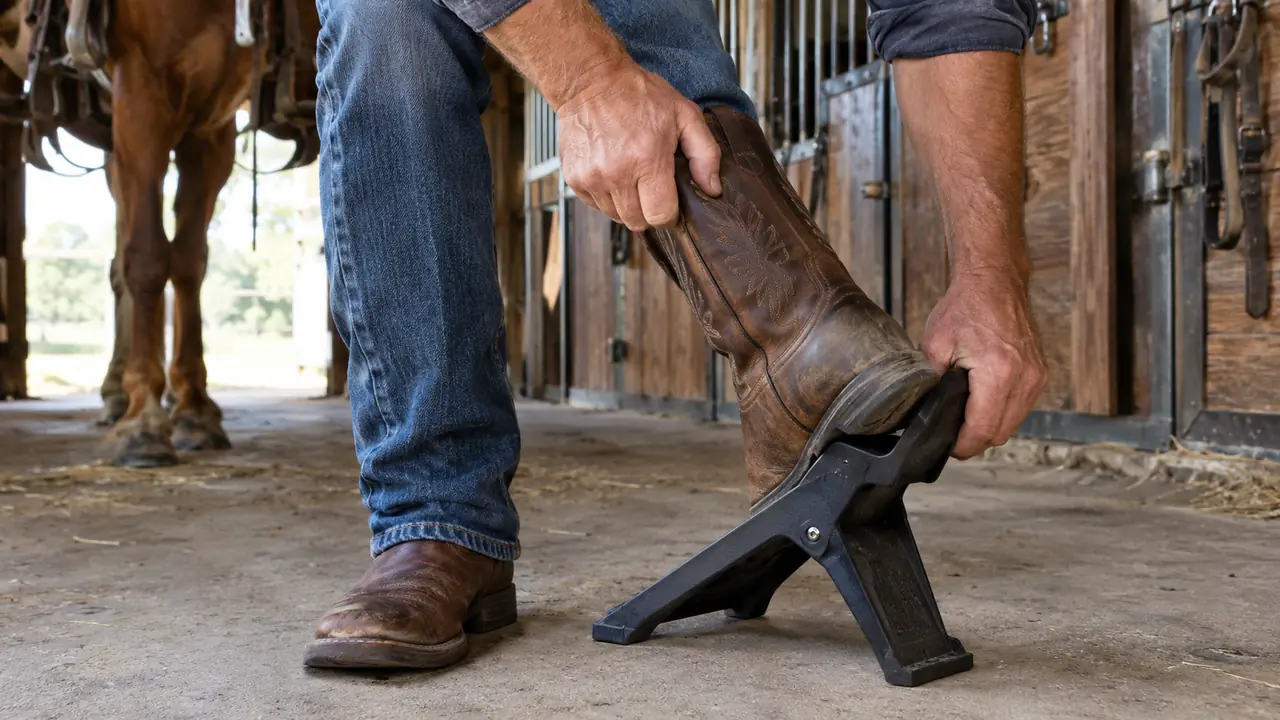
Here is the honest truth: the Ariat Sport Western boot is comfortable out of the box, but it is not magic. The first few wears, the shaft felt stiff around my ankle, and the toe box felt snug in a way that made me wonder if I should have gone up half a size. I did not. I wore them around the house for a week, then on short trips to the barn, and by the end of the second week they had softened up nicely.
What nobody tells you is that the break-in period is shorter than most western boots, but it is not zero. If you buy these expecting to run barrels the day they arrive, you will be disappointed. Give them a week of light wear first, and they will reward you.
I tried the old trick of soaking new boots in water and wearing them until they dried, and I am glad I did not do that to these. The leather is good quality, and it does not need that kind of punishment. What worked instead was simple: I wore them for an hour or two each evening while I did chores, and I ran a boot stretcher over the instep for two nights. By the following Saturday I ran a full pattern in them without a single hot spot. That is a shorter break-in than any other western boot I have owned, but it is still a break-in.
The Ariat Sport Western is comfortable out of the box, but it is not magic. Give it a week of light wear and it will reward you.
Sizing: The Half-Size Question
The sizing question comes up in every conversation I have about these boots, and it is the thing nobody can agree on. Some people say order your exact size. Some people say go up half a size. Some people say go down. I have my own answer, and it is based on the fact that I have a slightly wide foot and a high instep.
I wear a women's 8.5 in most shoes, and I ordered the Ariat Sport Western in an 8.5. They fit, but they were snug across the instep for the first week. If you have a wide foot or a high instep, I would honestly consider going up half a size. If you have a narrow foot, your regular size will probably be fine. The wide square toe gives your toes room to spread, which I love, but the instep is where the fit gets interesting.
The other thing nobody tells you: Ariat boots run a little long in the toe for some people. That is not a problem in a western boot, because you want a little room in the toe for stirrup work. But if you are between sizes, I would size up rather than down. A boot that is too small will never break in comfortably. A boot that is half a size big will feel fine once you add a good pair of boot socks.
I have a friend who wears a 9.5 in tennis shoes and ordered a 9 in these because someone told her Ariat runs big. She returned them after one practice and swapped for the 9.5. My rule is simpler. Measure your foot at the end of the day, when it is a little swollen from standing, and order that size. That is the size your foot actually is when you are working a rodeo, not the size it is at eight in the morning. And plan on wearing the socks you will actually ride in. Thin dress socks and thick boot socks are two different sizes of foot.
Comfort: What It Feels Like at Hour Six
The Ariat Sport Western has a cushioned insole that people talk about a lot, and it deserves the attention. The first time I wore these for a full day, I kept waiting for my feet to start aching, and they just did not. The arch support is noticeably better than the cheap boots I wore in my twenties, and the shock absorption in the heel makes a real difference when you are walking on gravel or standing on concrete.
I spent a weekend last fall timing at a youth rodeo, which means standing on a concrete slab behind the chutes from nine in the morning until after dark. My old boots would have had me sitting on a tack trunk every chance I got by mid-afternoon. With the Ariats I was still on my feet at the last event, and the only thing that hurt was my voice from hollering at the kids to keep their heels down. I mention the concrete because that is the surface that tells the truth about a boot. Dirt gives you a little forgiveness. Concrete does not.
But here is the honest caveat: the insole is not a custom orthotic. If you have serious foot problems, you will still want to put your own insole in. The boot has enough room in the toe that an aftermarket insole fits without making things cramped, which is a point in its favor.
The shaft height is another thing to know. These are not the tallest western boots on the market, and they are not the shortest. They hit about mid-calf, which is perfect for arena work because they give your leg protection without feeling like you are wearing a pair of chaps. If you need a taller boot for heavy brush or snake country, this is not the one.
Durability: What a Year and a Half Looks Like
I am hard on boots. I do not baby them, I do not polish them every week, and I wear them in the arena, in the barn, and in the gravel lot. After a year and a half, my Ariat Sport Western boots have some honest scuffs on the toe, a little creasing across the vamp, and a heel that is starting to show wear on the outside edge. That is it. No separation at the sole, no broken stitching, no cracks in the leather.
The outsole is where I have one real complaint. The tread is good in dry conditions and on packed dirt, but it is slick on wet metal trailer ramps and on wet concrete. I have caught myself on a ramp more than once, and I have learned to step carefully when the ground is wet. This is not a dealbreaker, but it is the kind of thing nobody tells you in the reviews.
What It's Like in the Stirrup
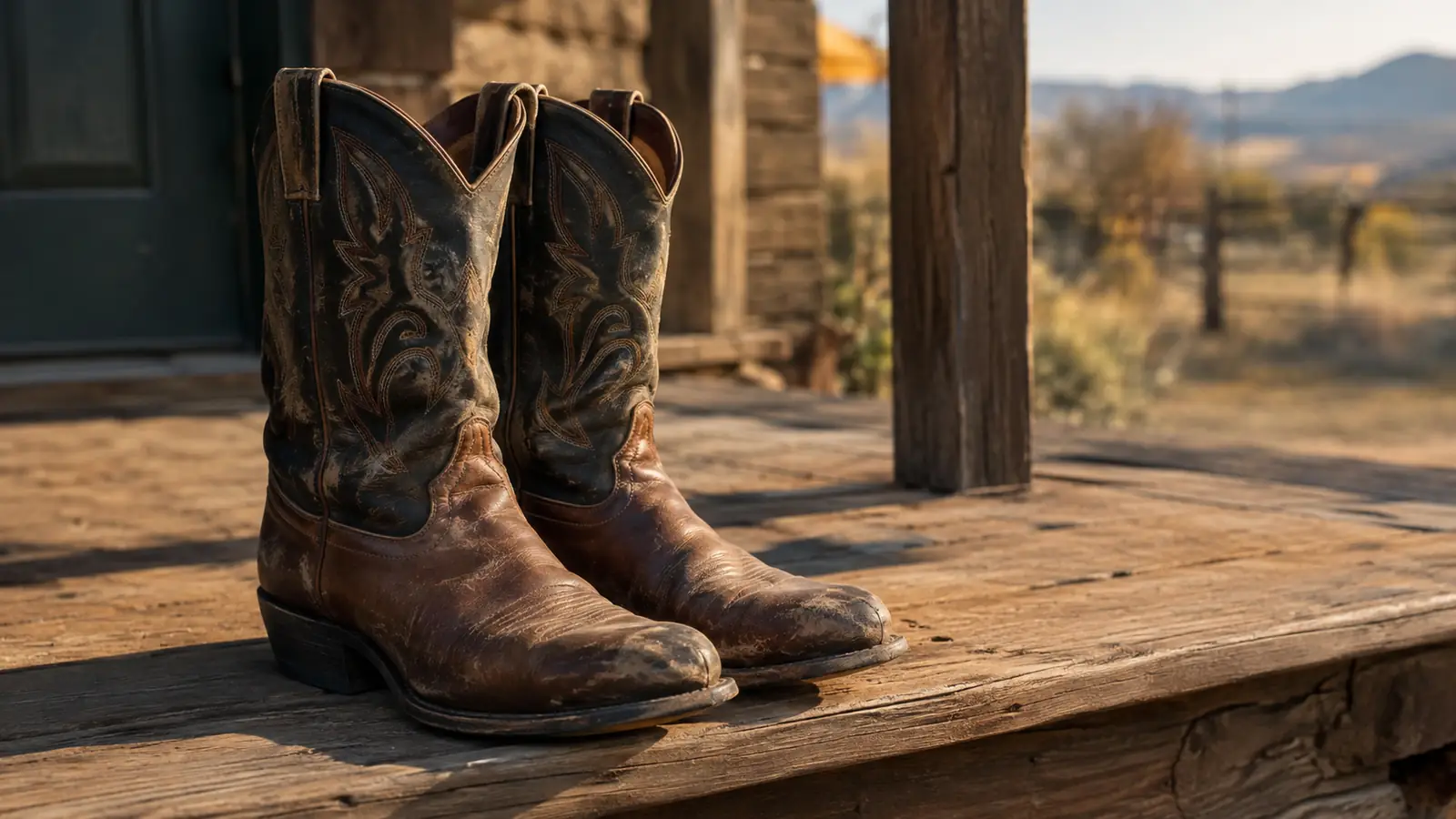
The wide square toe is the feature that sold me on the Ariat Sport Western, and it is the feature I would not give up. When I am running barrels on Biscuit, I need to be able to turn my foot in the stirrup quickly, and the wide toe gives me room to do that without catching. The heel is the right height for a western saddle, and the boot does not slip through the stirrup the way some round-toe boots do.
The one thing I will say: if you are used to a narrow, pointed toe, the wide square toe takes a little getting used to. It feels different when you first step into the stirrup, and it can catch on the fender if you are not paying attention. Give it a few rides and you will not want to go back.
Who This Is For
The Ariat Sport Western is for the person who spends real time in the saddle and real time on their feet. It is for the barrel racer who needs a boot that turns well in the stirrup, the roper who needs a boot that will not fall apart after a season of hard use, and the ranch family that needs one pair of boots to do everything from feeding to hauling to the Saturday jackpot.
It is also for the person who has been wearing cheap boots for years and is ready for something better. The difference in comfort is immediate, and the difference in durability shows up over time. If you are on your feet all day at a rodeo, your feet will thank you.
Who Should Skip It
You should skip the Ariat Sport Western if you need a tall, heavy-duty work boot for serious ranch work in rough country. This is a sport boot, and it is built for arena work and everyday wear, not for stomping through brush or working in mud all day. If you need a boot with more ankle support and a more aggressive tread, look elsewhere.
You should also skip it if you have a very narrow foot and a low instep. The wide square toe and the roomy instep might feel sloppy on a narrow foot, and you might be better served by a boot with a narrower last. And if you are looking for a boot that is completely waterproof, this is not it. It handles light moisture fine, but it is not a rain boot.
What I Liked
- Comfortable out of the box with a short break-in period
- Wide square toe gives plenty of room in the stirrup
- Good arch support and cushioned insole for all-day wear
- Leather holds up well to a season of hard use
- Versatile enough for arena, barn, and everyday wear
Where It Falls Short
- Outsole is slick on wet metal and wet concrete
- Sizing runs snug across the instep for wide feet
- Not a tall boot for heavy brush or snake country
- Not fully waterproof
Alternatives I Considered
I have worn a lot of western boots over the years, and I have strong opinions about the alternatives. The Ariat Sport Western is not the only good boot in this category, and it is worth knowing what else is out there before you buy.
The Rocky Ride Roper is a solid competitor, and it is the boot I would recommend if you need a little more ankle support and a slightly taller shaft. It is a good boot, but it does not have the same wide toe box, and I found it a little stiffer out of the box. If you are between the two, the Ariat is the more comfortable choice for arena work, and the Rocky is the better choice for heavy ranch use.
I have also worn boots from other brands that cost less, and they were fine for a season, but they did not hold up the way the Ariat has. The leather got soft, the soles wore unevenly, and by the end of the year I was shopping again. The Ariat Sport Western costs more up front, but it has lasted me more than twice as long as the cheaper boots I used to buy.
Ready for a boot that lasts more than one season?
The Ariat Sport Western has earned its place in my tack room. If you want a boot that is comfortable, durable, and ready for real arena work, check today's price on Amazon and see if your size is available.
Amazon Check Today's Price on Amazon →