
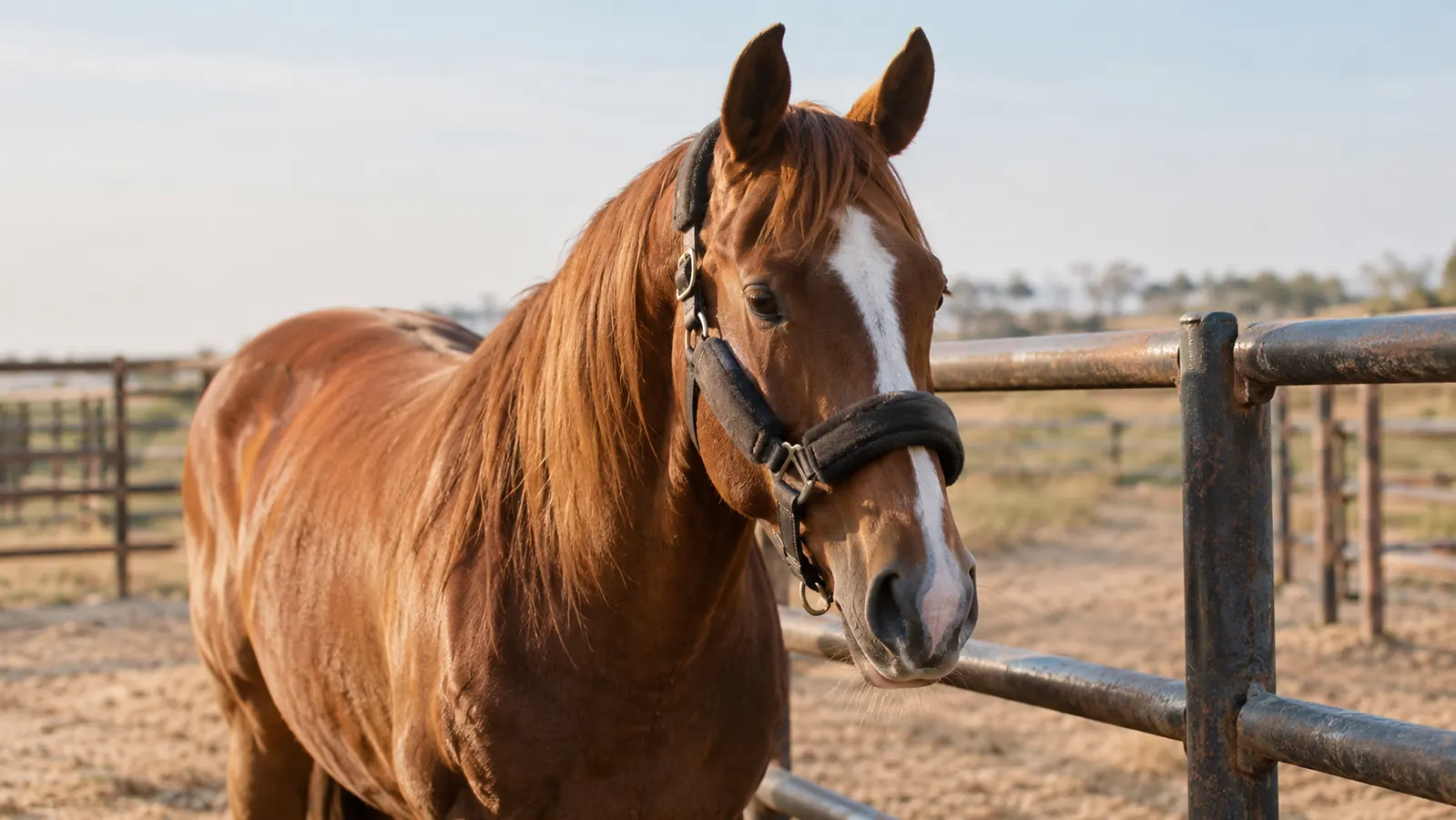
If you keep horses, you own at least one rope halter and at least one padded halter. The real question is which one you grab on a normal Tuesday morning when the only goal is to get from the pen to the trailer without a fight. I have spent enough years behind the chutes and in the barn to have strong opinions about both. My main horse is Biscuit, a 14-year-old sorrel quarter horse gelding I still run barrels on at local jackpots, and he has worn a Tough 1 padded halter through most of his working life. I also keep a rope halter hanging on the same hook, and I use both for real reasons. My rig is an older two-horse bumper-pull behind a three-quarter-ton pickup, and every halter I own has to survive being thrown into the tack compartment with a saddle pad and a cooler.
Here is the short answer: the Tough 1 padded halter is the better everyday halter for most people, and the rope halter is the better training tool for specific moments. If you only want one halter that can handle hauling, tying, grooming and the occasional ground session, get the Tough 1. If you already have a padded halter and you are trying to fix a horse that drags you around, the rope halter earns its spot. I would not want to live without either one, but I would not choose a rope halter as my only halter. The Tough 1 carries a 4.3-star average across more than 600 reviews, which tells you it is not a one-season wonder.
| Tough 1 Padded Halter | Rope Halter | |
|---|---|---|
| Everyday comfort | Padded noseband and crown sit soft against the face for hours at a time | Thin rope puts focused pressure on the nose, meant for short training sessions |
| Tying and hauling | Sturdy hardware and flat design hold up to cross ties, trailer ties and daily use | Rope is fine to tie with but thinner, and it can leave pressure marks if a horse leans |
| Ground control | Good pressure and release, but the wider band spreads the signal | The thin rope concentrates pressure for sharper, clearer cues |
| Catch pen manners | Softer feel encourages a horse to drop his head and stand quietly | More assertive on a pushy horse that needs a firmer reminder |
| Durability | Padded nylon and metal hardware shrug off dust, water and sun for years | A good rope halter lasts a long time too, but knots and ends fray with hard use |
| Best for | Daily handling, hauling, grooming, tying, amateur riders and busy barns | Groundwork, leading lessons, problem horses and people who want maximum feel |
Where Tough 1 Wins
Tough 1 wins on the days when a halter is just supposed to be there. Biscuit wears his padded halter to walk from the pen to the trailer, to stand tied while I saddle up, to stand on the trailer for the drive to a jackpot, and to hang around between runs. That is hours of wear in a single weekend, and the padding means he never gets rubs or sore spots behind his ears or across his nose. The padding is the difference between a horse that stands quiet and one that shakes his head all the way to the arena. The antique-style hardware on the Tough 1 is sturdy enough that I trust it on a tie, and the lead rope that comes with it is a solid length of rope that fits my hand well.
The brand name matters here because I have seen cheap padded halters fall apart in a season. The stitching pulls loose where the crown meets the cheek piece, or the buckle cracks in cold weather. The Tough 1 has held up through a full summer of hauling, washing and sun, and it still looks like a halter instead of a rag. The antique bronze finish is not just for looks, it keeps the buckles from rusting when I hose Biscuit off after a run. For what you pay, the build quality is well ahead of the bargain-bin options. That is the kind of thing you only appreciate after the third year of use, not the first day.
Where the Rope Halter Wins
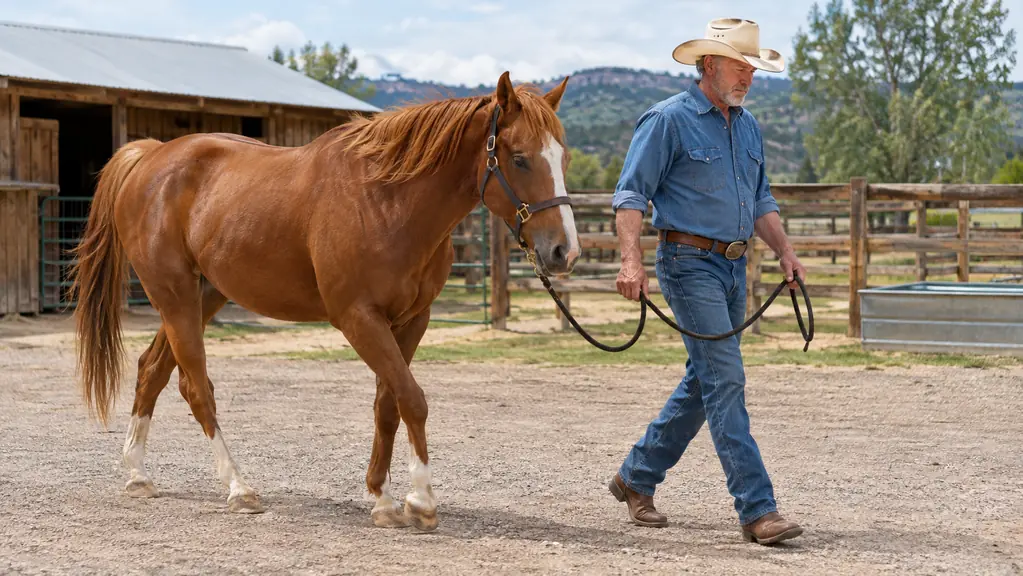
The rope halter wins when you need Biscuit to pay attention. A rope halter puts a thinner, more concentrated pressure on the nose and poll, and that pressure reads more clearly than the broad, padded band of a Tough 1 halter. When I do groundwork with a young horse or a horse that has started to lean on me, I reach for the rope halter because I can get a quicker release and a sharper cue. It is not about being harsh. It is about being clear. I have used rope halters long enough to respect what they can do, and I have also seen what happens when someone leaves one on too long.
The rope halter is also the better tool for leading a horse that drags. If a horse leans into the lead, the rope halter gives you more leverage and the horse feels the correction on a smaller surface. That makes it the right choice for ground training sessions, for loading a stubborn horse, and for any moment when you want maximum communication with minimum fuss. The tradeoff is that you would not want to leave a rope halter on for hours. It is a working tool, not a lounging halter, and it can leave pressure marks if a horse rubs his head on a post while wearing it. The key is knowing when the rope halter is the right answer and when it is just the harder answer.
Start your week with a halter that will not fight you
The Tough 1 padded halter handles hauling, tying and daily barn chores without rubbing or fraying. Check today's price on Amazon and see why it has earned a 4.3-star rating from more than 600 riders.
Amazon Check Today's Price on Amazon →The rope halter tells a horse to pay attention. The padded halter tells him he is safe to relax. Both messages matter, just at different times of day.
What a Rodeo Weekend Does to a Halter
I have tested both halters the hard way, which means hauling them to a jackpot on a Friday night and bringing them home on a Sunday. Biscuit stands in the trailer with his head over the chest bar, which means whatever halter he is wearing gets rubbed against metal, dust and hay for the whole drive. The padded Tough 1 comes through that weekend without a mark. The rope halter comes through too, but I always check the knots and the ends afterward because that is where rope halters start to fail. A halter that falls apart on the road is not a bargain at any price.
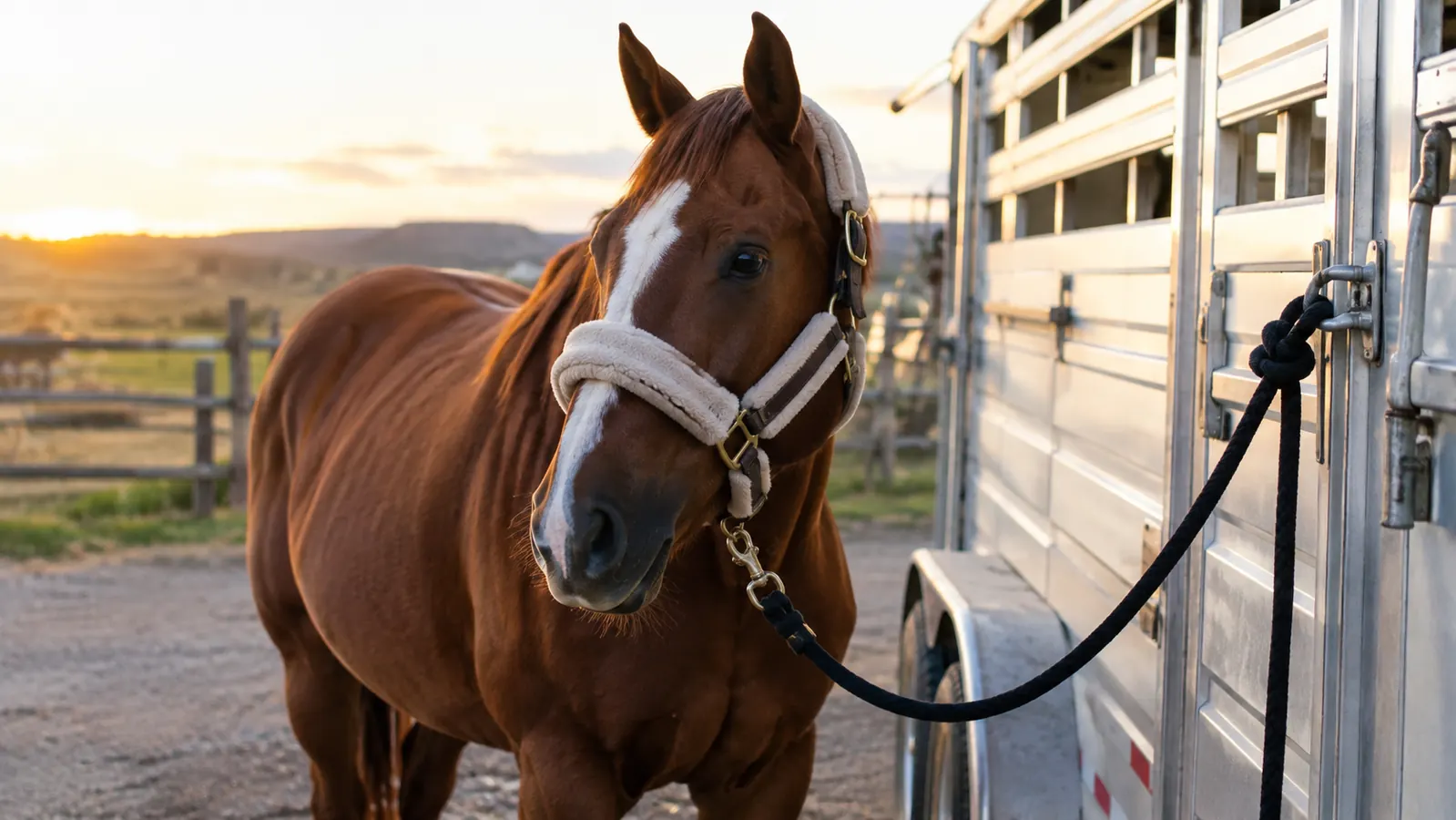
The other test is the tie. I tie Biscuit to the trailer while I get my barrel saddle situated, and a halter that rubs will make a horse lean, fidget and eventually rub his own face raw. The padded noseband of the Tough 1 spreads the pressure out, so a horse can stand tied for an hour without getting sore. A rope halter does not spread pressure the same way. It is more precise, but precision is not what you want when a horse is just standing there waiting on you. That is the test that matters for everyday handling, not how a halter looks hanging on a peg.
How They Feel in the Hand
The feel in your hand matters more than most people think. The lead rope that comes with the Tough 1 has a good weight to it, not too stiff and not too slippery, and the hardware stays where you put it. When I lead Biscuit through a gate, I can hold the rope loosely and know he is not going to spook sideways. The rope halter's lead is thinner and lighter, which gives you more feedback but also more slack to manage. That is an advantage in a training session and a small annoyance in daily chores. Good lead rope feel is something you notice immediately and then stop noticing, which is exactly what you want.
I also notice the difference when I am wearing gloves on a cold morning. The padded halter is easier to grab and adjust with gloves on because the buckles are bigger and the nylon is stiffer. The rope halter's knots are harder to untie with cold fingers. It is not a dealbreaker, but it is the kind of detail that makes you reach for the padded halter on a Tuesday morning when you are half awake and trying to get the horses fed before work. Little details like that decide which halter actually gets used, not which one looks better in the catalog.
Who Should Buy Which
Buy the Tough 1 padded halter if you want one halter that does everything. It is the right call for barrel racers who want to haul to a jackpot, for ropers who need a sturdy halter that can handle a dusty trailer, and for ranch families who want something that will not rub a horse raw when it stays on for the afternoon. It is also the right call if you are buying a first halter or replacing a worn-out one and you do not want to think about halters again for a few years. If you are reading this because you are tired of fighting with a halter that does not fit right or rubs the wrong way, the padded Tough 1 is the one I would buy first.
Buy the rope halter if you already have a solid everyday halter and you want a sharper tool for groundwork, leading lessons, or a horse that needs better ground manners. A rope halter is a good second halter, and for some horses it is the difference between a calm lead to the trailer and a fight in the driveway. If you can only own one, though, make it the padded halter. You can do everything with it, including most of what the rope halter does, just with a softer touch. And if you already own a padded halter and the problem is a horse that does not lead, the rope halter is the missing piece.
What About the Lead Rope
The Tough 1 comes with a lead rope attached, and that is worth talking about because a lot of halters at this price come with a rope that is too thin or too stiff to be useful. The one that comes with the Tough 1 is a good middle ground. It is thick enough to hold onto in a panic and soft enough to coil without fighting you. I have bought halters where the lead rope felt like a piece of baling twine, and I ended up replacing the whole setup within a month.
The rope halter, by comparison, usually needs a separate lead rope, and the knot work matters. A poorly tied rope halter can put pressure in the wrong place. I tie my own, and I check the knots before every haul. That extra step is fine when you are working a horse, but it is one more thing to keep track of when you are packing for a weekend show.
The Bottom Line
If I had to pick one halter to hang on the hook by the gate, it would be the Tough 1 padded halter. It does everything well, it does not rub, and it has held up to a full season of hauling, tying and washing. The rope halter is still in my trailer, because there are days when a horse needs a clearer signal. But those days are the exception, not the rule. For the other twenty-nine days of the month, the padded halter is the one I reach for. That is not a knock on rope halters. It is just an honest account of what a working halter has to do on a working ranch.
One halter for the whole week, not just the workout
The Tough 1 padded halter with lead rope is the everyday pick for riders who want comfort, durability and a clean look. See today's price on Amazon and keep it on the hook by the gate.
Amazon Check Today's Price on Amazon →